Showing posts with label Marvel. Show all posts

Tuesday, August 9, 2022

How to Write a Disabled Character/Character with a Disability

Welcome back to Musings of an Arthritic Artist! Today I'm going to be going over my tips to writing a disabled character/character with a disability. 


I have read and seen a lot of disabled characters in media. Some are good, some are bad. These are tips for writing disabled characters from an actual disabled person.


Without further ado, let's get into the post! 

These tips can apply to pretty much any disability, however I will mostly be explaining using terminology and medical conditions I am intimately familiar with. 

1. Don't Gloss Over Their Disability

If you want to write a disabled character, make sure that their disability isn't glossed over, especially if they are a super important character to the plot. If they are a main character or a main side character or a family member of a main character, don't just gloss over it. 

This doesn't mean that you should focus on it, on the contrary, don't do that either. It should generally be clear what the character's disability is and how it affects them, however it shouldn't take up the majority of your story if that isn't what it's about. 


2. Don't 'Cure' Their Disability

There are numerous types of media out there that cure characters who have disabilities. This is considered a big mistake in the disabled community. It may seem completely innocent. 

However, this is generally a bad thing. Especially don't have the character be cured and then have them talk about how they are 'whole' now. This is offensive and dehumanizing. 

A disabled person is a person. They are a whole person despite their disability. Most disabled people don't wish to be cured. And the vast majority of disabilities aren't cured.

For this one, let's use cancer as an example. While doctors will say that someone's cancer has been 'cured,' there technically is no cure for cancer. Cancers are treatable with medications and other measures, and remission can even be reached, which is a period where either cancer cells are not detectable or where very few are detectable. 

However, cancer can only ever reach remission. Even if someone is 'cured' of their cancer, there's still a chance it could 'come back,' even after the initial 5 years where doctors say it's more likely to come back. 

But there is no cure for cancer. Disabilities are not ever completely cured. 

Now, this is a somewhat split topic. The majority of the disabled community hates media where a disabled character is cured, however this varies sometimes depending on how new someone's disability is. Meaning, people with newly acquired disabilities sometimes wish that they could be cured, whilst people who have lived with a disability for most, if not all, of their lives, they would actually dread being cured. 

You'll never 100% please every member of a group, but there are things you can do to make it less harmful. A lot of newly disabled people, and sometimes even people who have been disabled for a while, struggle with internalized ableism. This means that they have some issues coming to terms with accepting their disability. They may believe what society says about disabled people.

They may believe that their disability makes them inferior to others. So before you decide which route you want to take with your character, decide this: how new is your character's disability? If they have lived with their disability their whole life, don't have them think about a cure. 

If your character's disability is new, they may think about a cure, and might even wish for one (this still doesn't excuse curing a character of their disability). Someone who has lived with their disability for a long time will find ways to do the things they can't do. They'll find ways to live their lives. If you have a character who was born without a right hand, don't have them struggle to do certain day-to-day tasks when they are a teenager. 

If your character has lived with their disability for most of their life, and you want to explain how they do certain things, this will require some out of the box thinking. Most disabled people are pretty creative.


3. Don't Rely on Disability Stereotypes

What I mean by this is, don't rely on stereotypes for your disabled character(s). These are what I call 'stock' disabled characters. These are characters that have a certain disability, but are just as stereotypical as any other character with the same disability.

This includes things like the autistic character that loves trains, the disabled evil villain who is evil because they're disabled, the disabled character with powers that they have because of their disability, the character who is pitied or viewed as helpless because of their disability, and the disabled character who is the butt of the joke, to name a few.

Now, there's no problem having a villain who is disabled. However, it's always best to have a character with a disability who is also good.


4. Don't Use Disability as a Plot Device

So, I think I need to clarify something with this. This doesn't mean that disability can't be part of your plot. It absolutely can. However, when using disability as a predominant plot, tread carefully and lightly.

Make sure that your character's disability isn't their entire personality. It can affect the decisions they make and aspects of their personality, but don't have their disability be their sole trait.

Disability is a part of my identity, and it has shaped aspects of my personality. But I have other interests and other personality traits besides my disability.


5. Research

Research is key to creating realistic and accurate representation of people with disabilities. Research the disability your character is going to have. Watch YouTube videos about that disability. Find blogs written by people with that disability.

You may think it's hard to find people who have disabilities, but they're actually really easy to find if you look in the right places.


Thursday, May 20, 2021

Comic Spotlight: The Most Artistically Pleasing Comics I've Read (late February 2021-May 2021)

I've read more comics this year than I have probably since 2017, when I was binge-reading the Guardians of the Galaxy comics my parents bought me at our comic book shop, a few weeks before my family took me to see Guardians of the Galaxy: Vol. 2.


My sister got a job back in January. She is a comic news writer for Screenrant. You can check her  articles out here if you haven't already: Screenrant: Samantha King Author Profile (opens in new window). When this post goes up, 205 comic articles of hers have been published. 


Anyway, because of the job she has, she bought yearly subscriptions for Marvel Unlimited and DC Universe Infinite. Lucky for me, she isn't the kind of person who would forbid me from using it. Quite the opposite, in fact. Therefore, for the past few months, I've had access to thousands of comics published by Marvel and DC. 


Within this time frame, I have been reading and finding some comics that I find artistically pleasing. I tend to have a certain style that I like. Sometimes, there will be a comic that doesn't fit my style, but the art is still done well in a way that works for me.


This post is just a list of my favorite comics that I've read between February and the first few weeks of May. I will have these separated by Marvel Comics and DC Comics, but they aren't in any specific order.


Without further ado, let's get into the post! 


Marvel

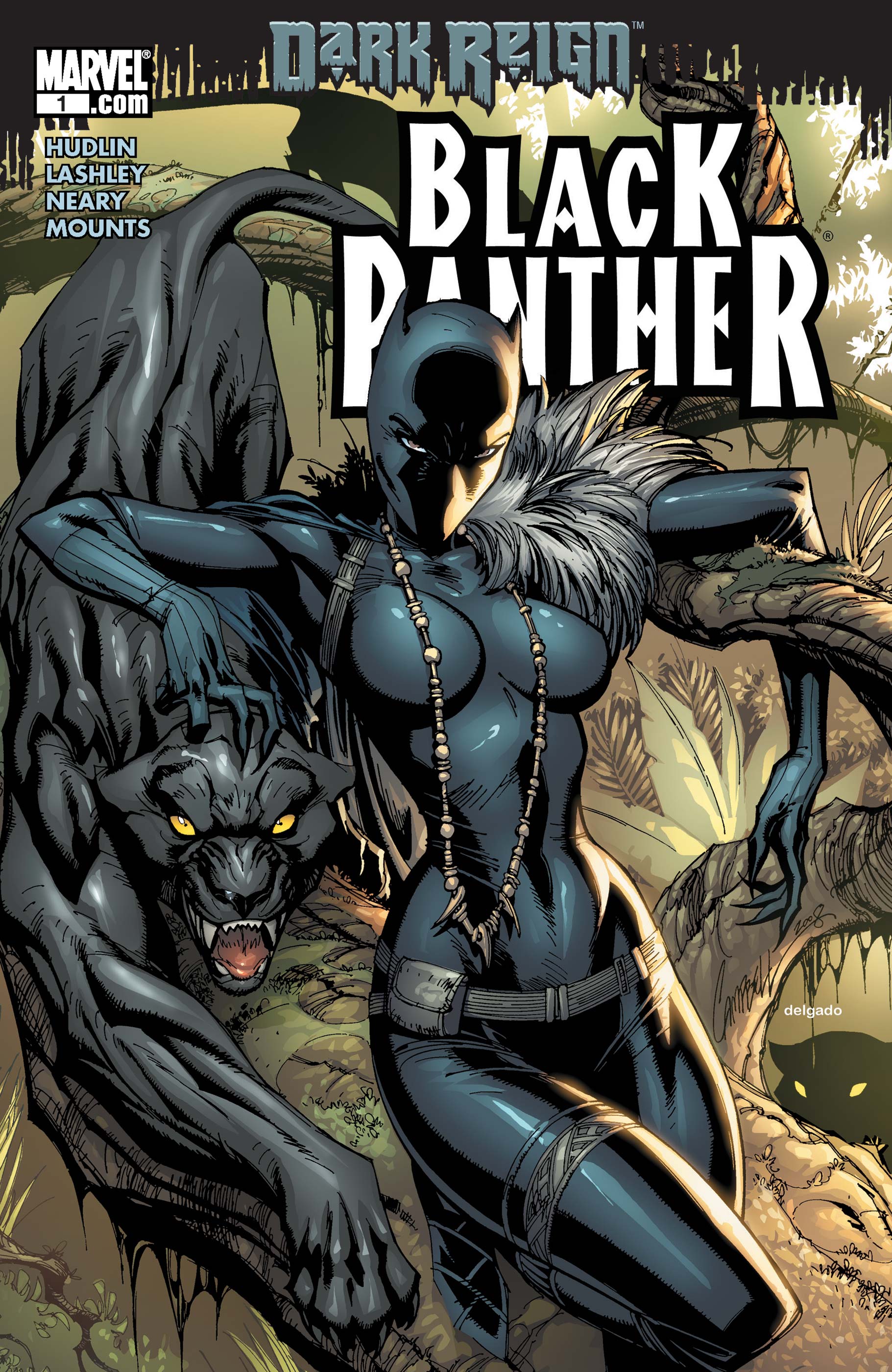
Black Panther (2009-2010)

This was one of the first Marvel comic series I read (the first was The Infinity Gauntlet from 1991). I decided to read this series because I wanted to read about what the comics did when T'Challa was in a coma, unable to be the Black Panther. I wanted to see what the MCU could potentially do for the Black Panther sequel. As you can tell by the cover for the first issue, a girl becomes the Black Panther. The one who takes over the role for this series is Shuri, T'Challa's sister.

I read this for the story and was awed by the art in this series. The more comics I read, the more I realize I have a preferred art style. I like ones with a lot of detail, vivid colors, and plenty of shadows and highlights.

This comic series was written by Reginald Hudlin. It was illustrated by Ken Lashley, Paul Neary, Will Conrad, and Paul Renaud.


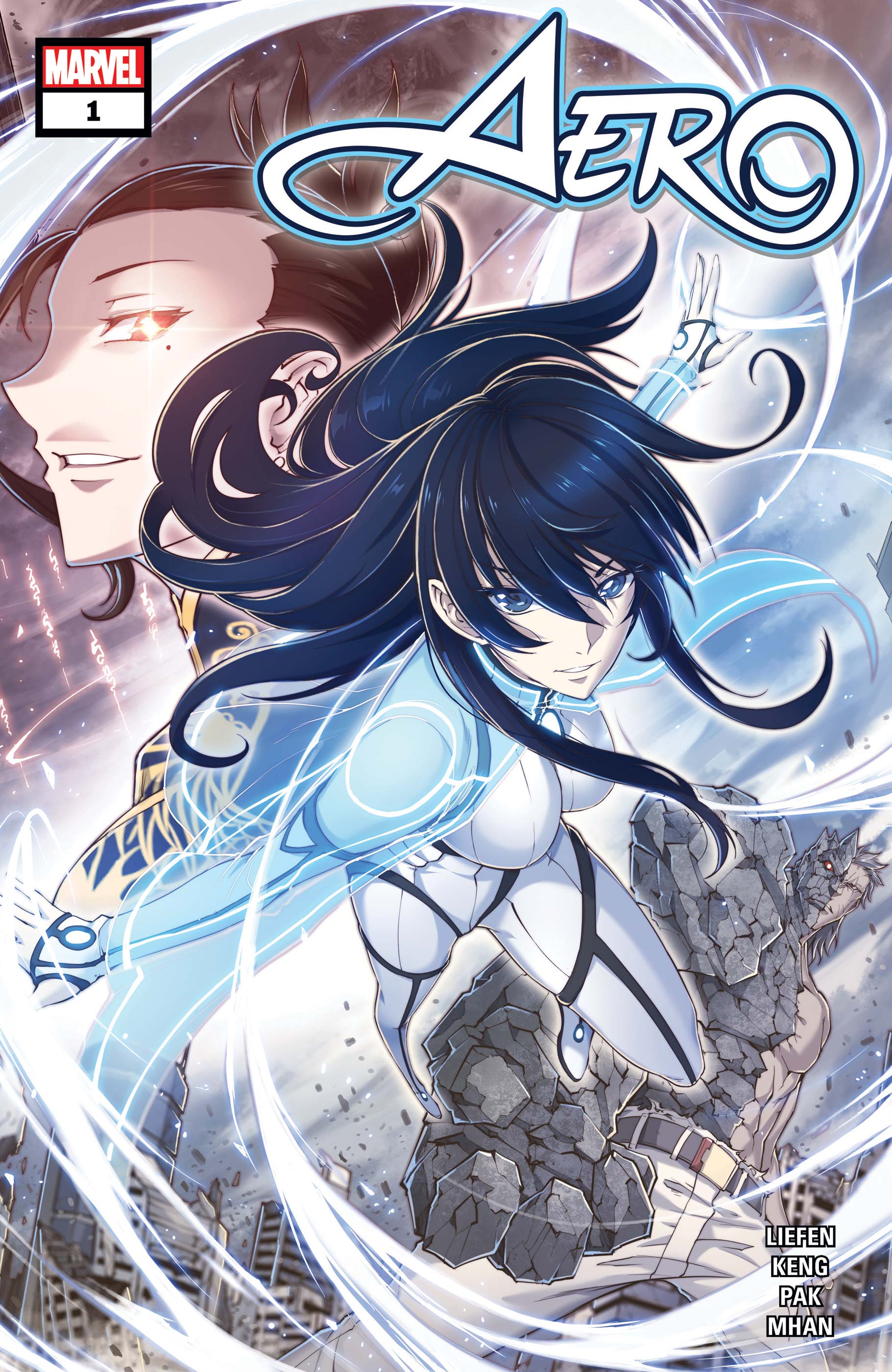
Aero (2019-present)

This was an interesting change from the previous one. It has a similar art style as far as shadows and highlights goes, but the style as far as anatomy goes is very similar to manga. This comic series is about Lei Ling, a young architect based in Shanghai. This is a Chinese manhua (Chinese comics produced in China and Greater China) that was created by a Chinese company (NetEase) in collaboration with Marvel Worldwide Inc. It was intended to be a prequel and spinoff to Marvel's comic series, Agents of Atlas. This is Lei Ling's introduction. She has the ability to feel and control air currents, read chi, and fly. It was translated into English by Greg Pak.

Aero was originally written by Zhou Liefen and drawn by Keng. Other artists include Pop Mhan and Frederico Bree. 


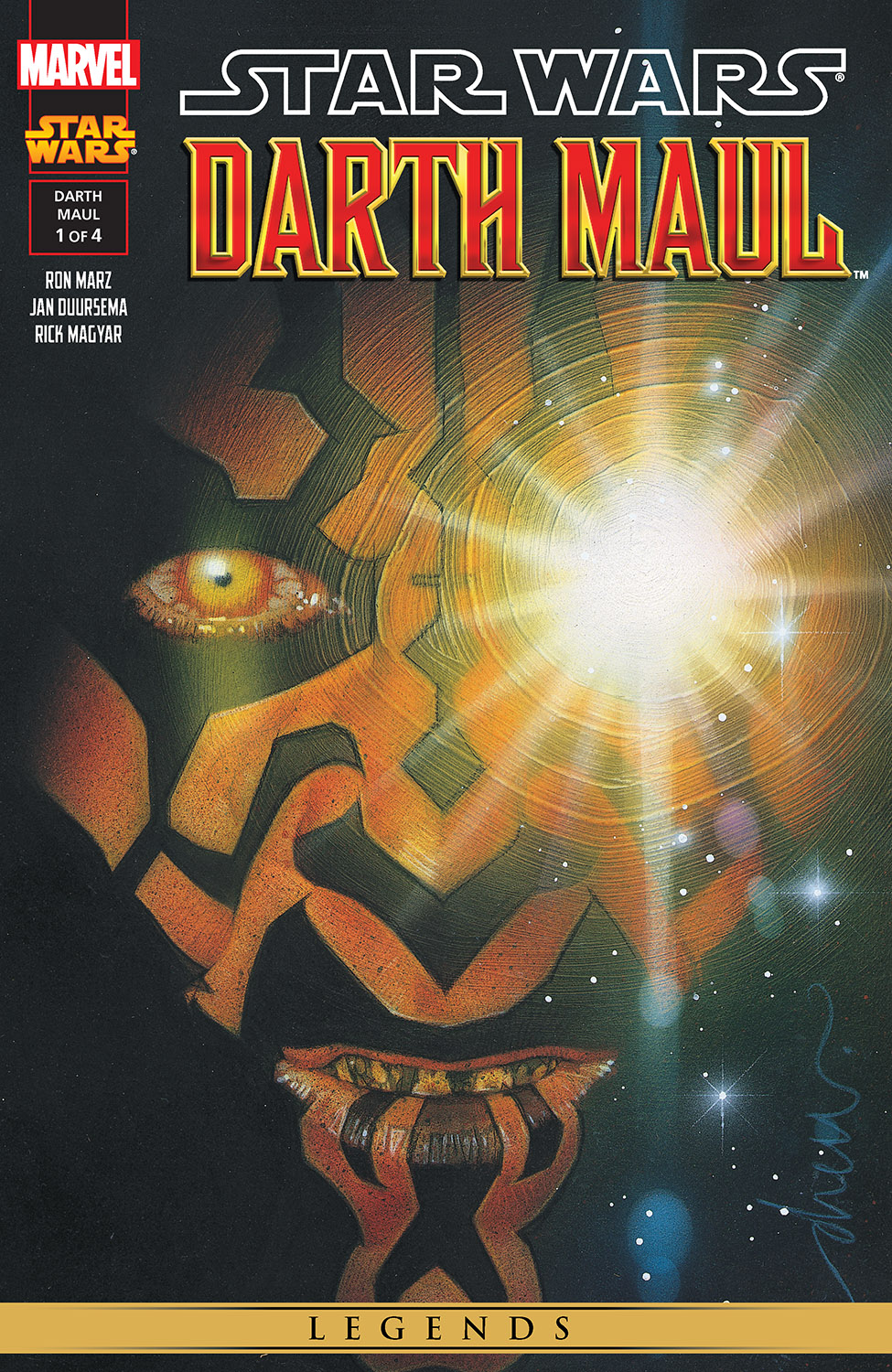
Star Wars: Darth Maul (2000)


I looked at a lot of Star Wars comics this year in preparation for my May the 4th post. I was initially draw a drawing of Darth Maul, so I was going through comics he was in, but I ended up running out of time, so I didn't even begin the drawing. A lot of older comics have a certain look to them, and I have to say that the art in this exceeded my expectations. 

Even though this comic series is only about 20 years old, we have still made it a long way regarding comic book art, especially among big companies like Marvel and DC. This series has the kind of comic art I enjoy. It's detailed, the colors are pretty vivid, and it has shadows and highlights. It was a pleasant surprise.

This is a four-part series, so it's very short. It was written by Ron Marz and illustrated by Jan Duursema and Drew Struzan.

Doctor Strange (2018-2019)


I only read one issue for this (I prefer to either read the entire series if it's short enough, or at least four issues before I say I like/dislike the art style), but I knew I had to include it. The art in this series is very stylized but realistic, which is another thing I really like in illustrations. 

This series was written by Mark Waid and Barry Kitson. It was illustrated by Jesus Saiz, Javier Garron, Javier Pina, and Kevin Nowlan.


DC

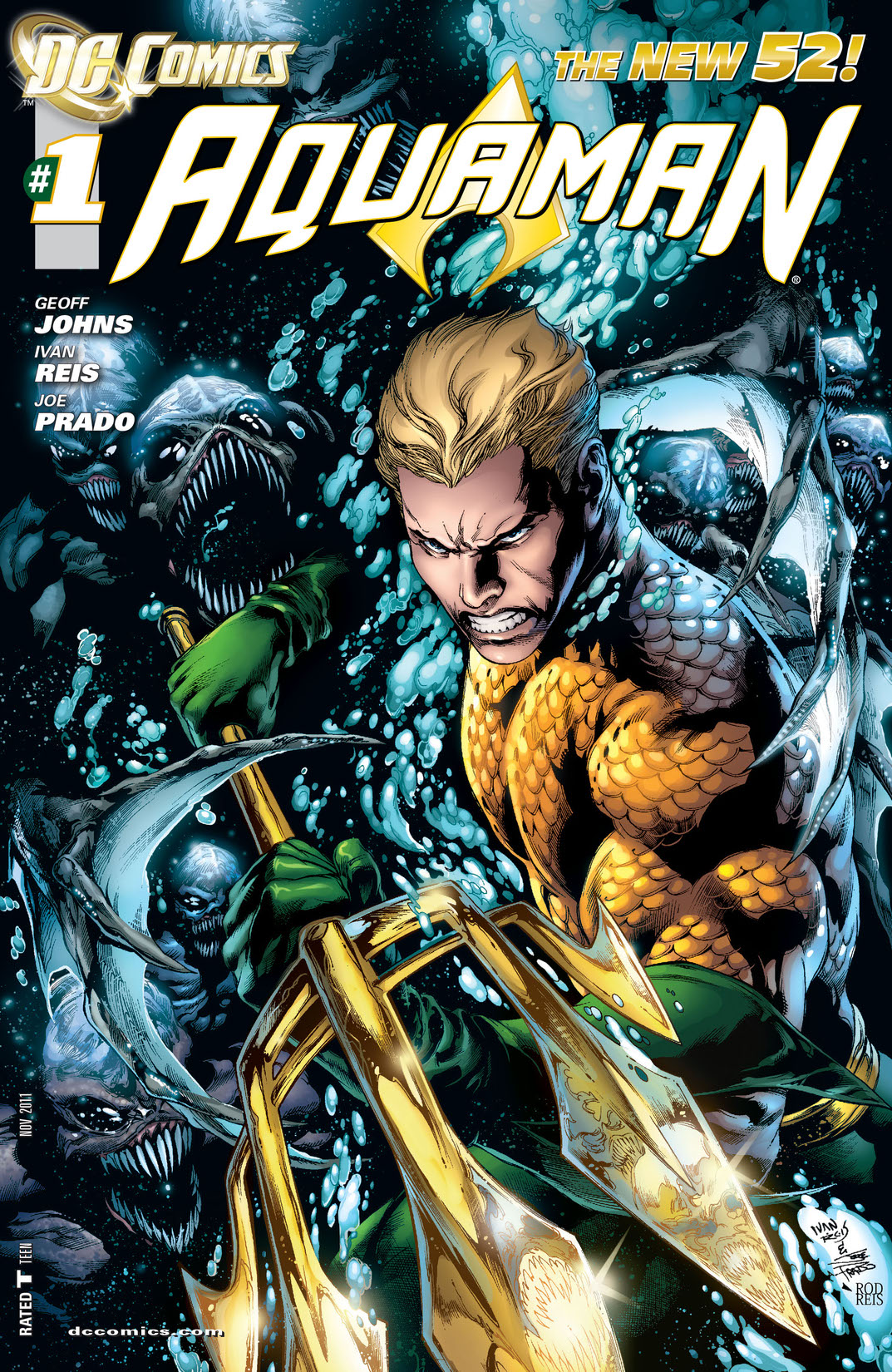
Aquaman (2011-2016)


This was the first Aquaman comic series I started reading. This is part of the New 52. The art in this is very similar to the previous ones I mentioned, but it reads a bit more like a DC comic (the muscles tend to be very noticeable; more noticeable than the comics I've read in Marvel thus far). I like the colors and highlights used in this series. 

This series was written by Geoff John. It was illustrated by Ivan Reis, Joe Prado and Rod Reis.


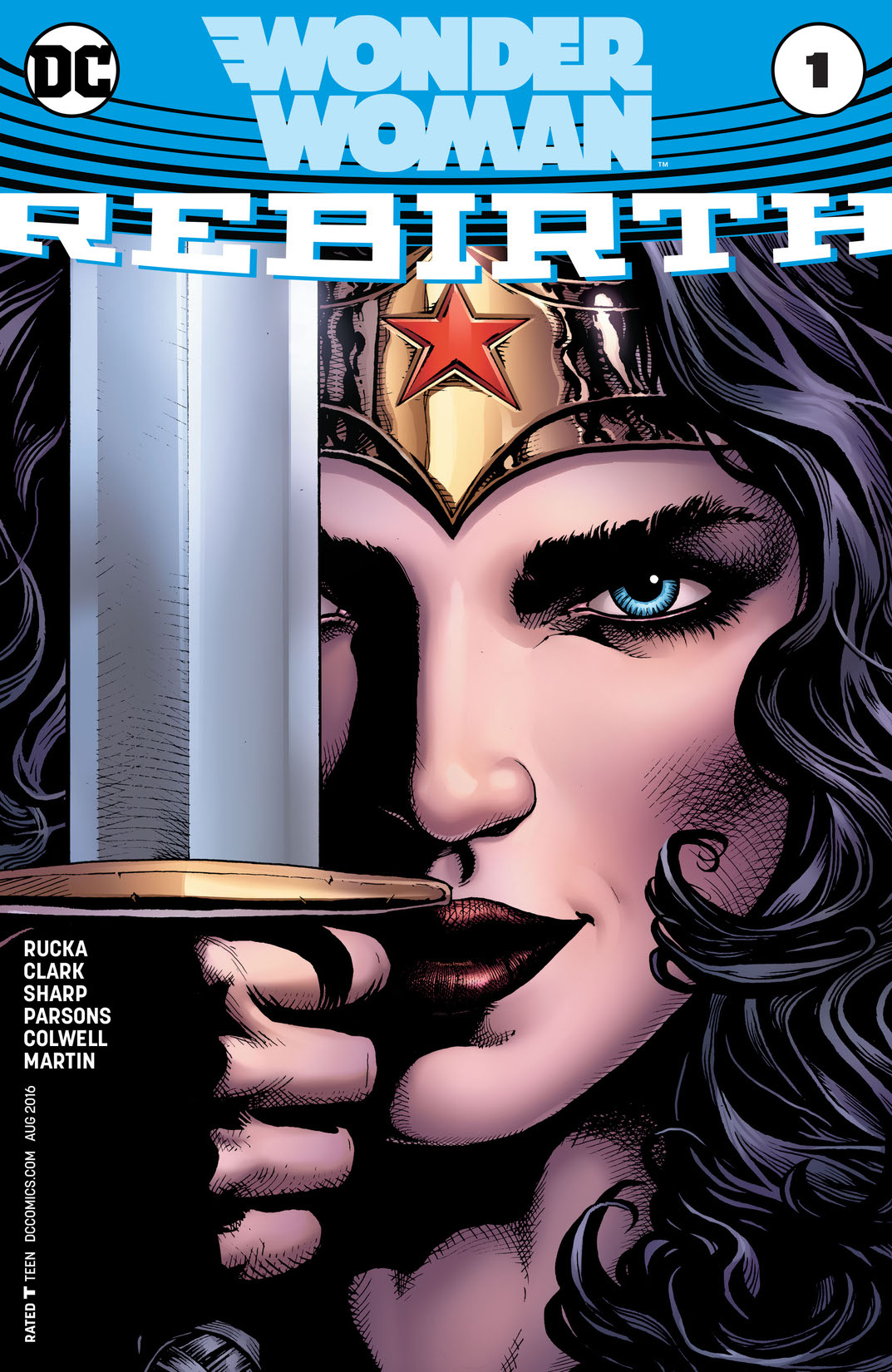
Wonder Woman: Rebirth (2016-present)


This was one of the first DC comics I read this year (if not the first). This year, this is the comic series I've read the most of. I'm on issue 22 of 109. I think this art is my favorite of the DC ones I've read thus far. The covers are always gorgeous. I picked up this one because my sister and I had just watched Wonder Woman 1984 and I wanted to read more Wonder Woman comics, so I started with this one.

This series was written by Greg Rucka. It was illustrated by Paulo Siquiera, Liam Sharp, Matthew Clark, Sean Parsons, and Laura Martin.

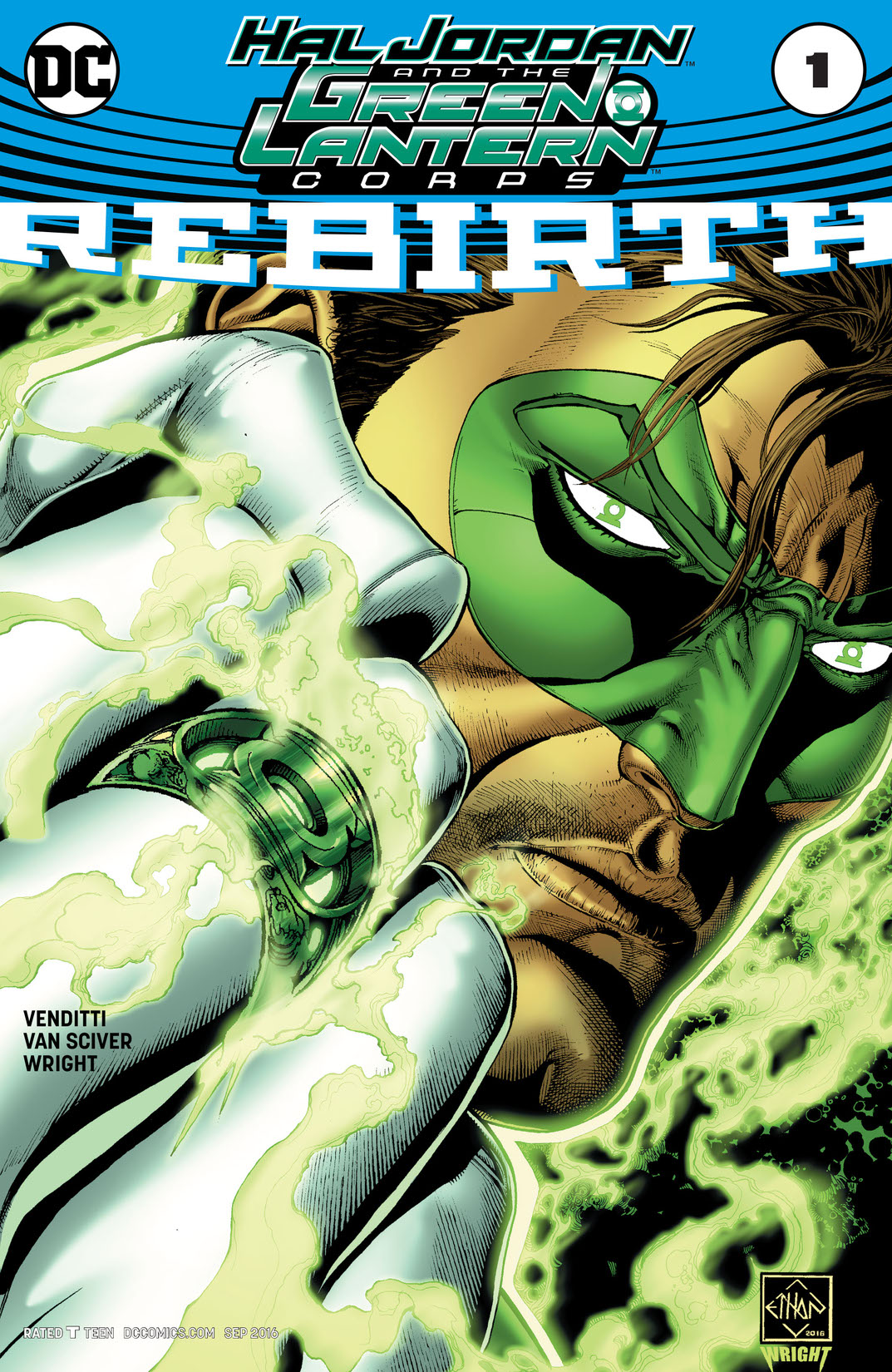
Hal Jordan and the Green Lantern Corps: Rebirth (2016-2018)

This was one I read more recently. My sister owns the first volume, so I read her copy within a couple days. The art is very similar to the Wonder Woman. What I loved about this one was the color palette. Obviously if you're reading a Green Lantern comic, there's going to be a lot of green and yellow, sometimes even whole pages that are essentially dominated by one of these two colors (maybe even both).

This series was written by Robert Venditti. It was illustrated by Ethan Van Sciver and Jason Wright.


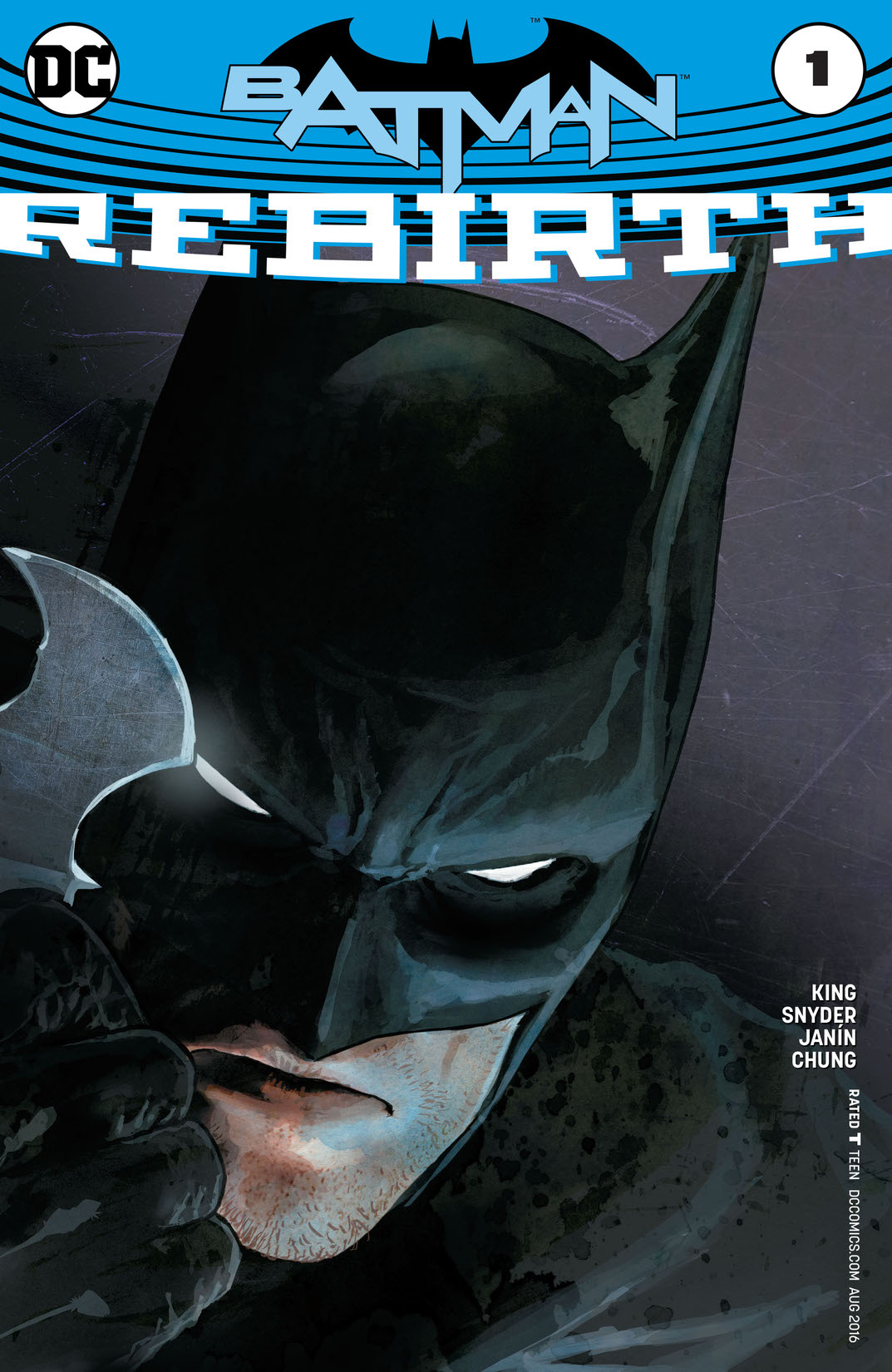
Batman: Rebirth (2016-present)

This is another one I read more recently. I feel as if I can't write this post and not include a Batman comic of some kind. He's a DC classic. For this, I chose the Batman: Rebirth comics. I really like the art in the Rebirth comics, though I'm not a huge fan of all of them. These are just the ones I'm partial to.

This series was written by Scott Snyder and Tom King. It was illustrated by Mikel Janin.


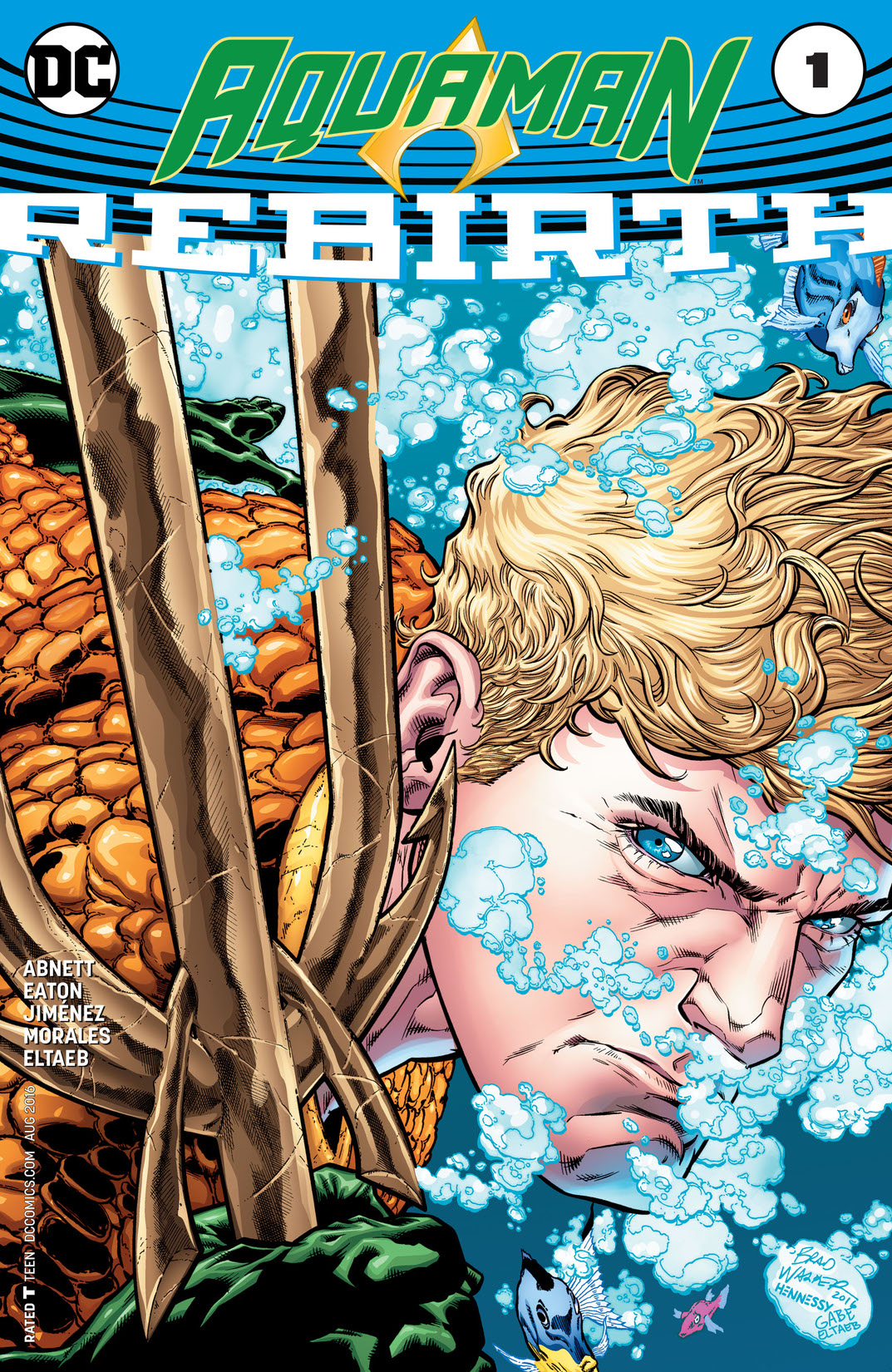
Aquaman: Rebirth (2016-present)


This is another Aquaman series. The DC characters I'm most interested in right now are Wonder Woman, Aquaman, and Green Arrow, so I did generically read more of these characters than any others. This art is very bright and the aquatic scenes are beautiful, something I really look forward to when I read Aquaman comics.

This series was written by Dan Abnett. It was illustrated by Scot Eaton, Oscar Jimenez, Gabe Eltaeb, Brad Walked, and Andrew Hennessy.


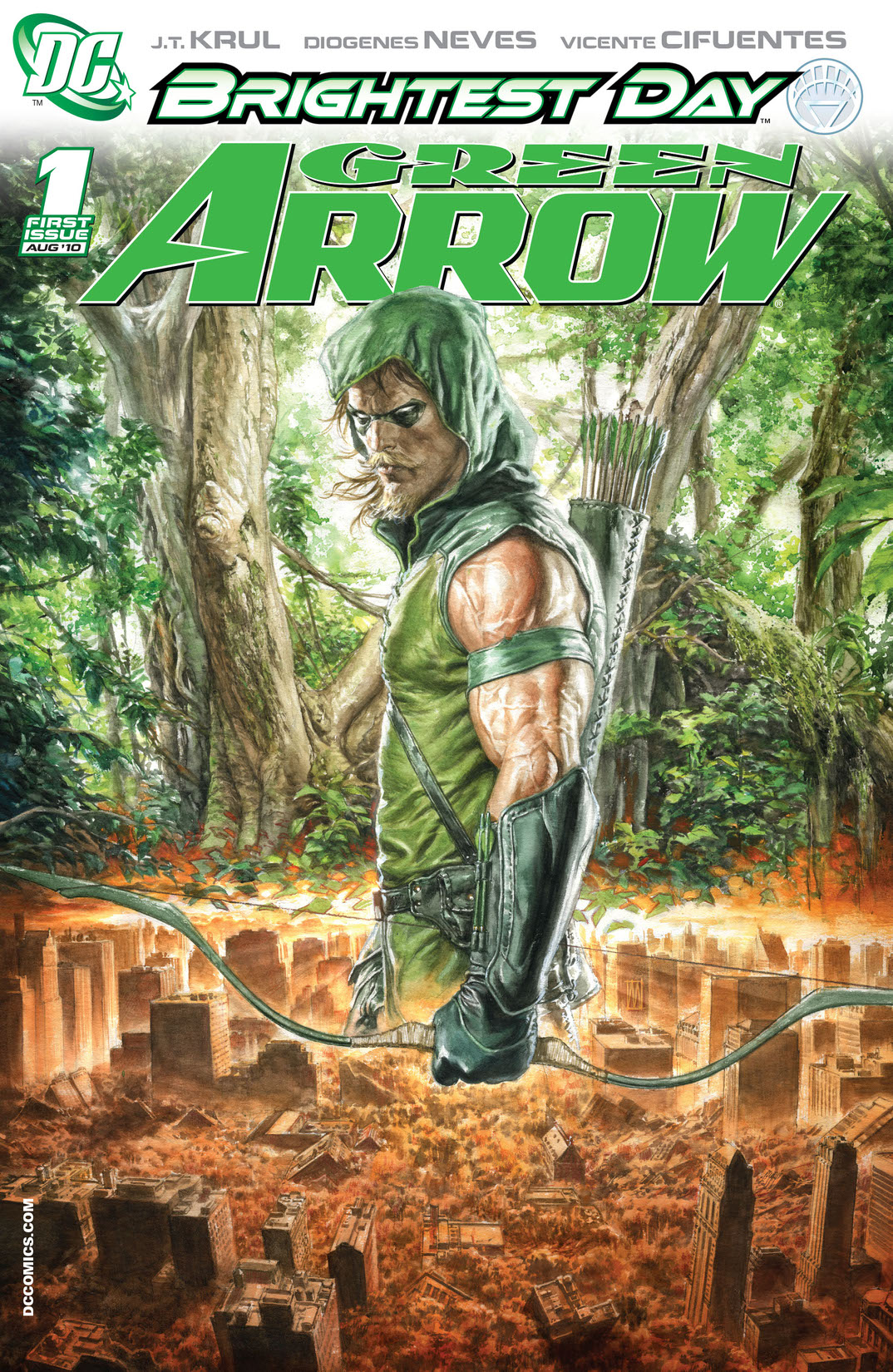
Green Arrow (2010-2011)

This is the first Green Arrow series I began to read (for once I didn't go for the Rebirth). This art is similar to the others. It's very clean and smooth, along with incredibly vivid color palette wise. I am really interested in Green Arrow at the moment because my sister made me watch Arrow, the CW series with her at the beginning of quarantine and we were loving it, so I wanted to read more about him.

This series was written by J.T. Krul. It was illustrated by Diogenes Neves, Vicente Cifuentes, and Mauro Cascioli.


That's it for this post! I hope you enjoyed it! 


Until next time, 


Lexi KšŸ–Œ